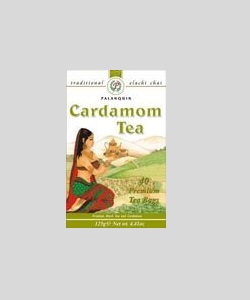

Spices in Ayurveda are used for therapeutic purposes based on the six tastes theory. They are an important part in Ayurvedic medicine because of the therapeutic benefits they add to food. Spices have always been considered as natural medicine because of their internal cleansing action. Including spices in your daily meal is highly recommended for oxidising harmful cells, stimulating the flow of lymphatic fluids and helping with eliminating toxins. Using spices also aids in boosting energy levels, enhancing the digestive process and adding medicinal values. Learn to use spices in Eastern and Western cooking for health benefits by joining our “Spice Cabinet Cooking class”.
Clean out your house – open the windows, let fresh air come in, clear out your closet, air your duvets, move the furniture around, do your Agnihotra or just light a candle, make some sound in every corner – clap your hands around the house and let the stagnant energy shift Clean out your body – a perfect time to get rid of the built up toxins of the winter, a time to cleanse the liver, gallbladder and GI tract (we can help you with this). Drink plenty of warm water with freshly ground ginger or cinnamon. You need to move in the spring season to shake off all the.
Ginger is a herb that is a root with a distinct aroma. It is used in both fresh and dried state though it is more intense in the latter form. One of the main attributes of Ginger is its capacity to digest “ama” or toxins, accumulation of which is the main cause of dis-ease. Ginger plays an important role in digesting infectious agents and treating conditions like Sinusitis, Bronchitis and Allergic Rhinitis. Use of ginger in teas can provide a defence against respiratory problems and also viruses like Influenza as it induces sweating and lowers body temperature. In a certain way it acts as a protective agent in the stomach.
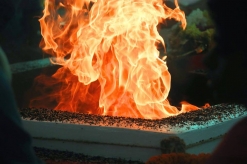
Pitta, the fire element, soars in the Summer months characterised with high or soaring temperatures. If you are naturally a Pitta person then this can exacerbate the problem. The solution is to stay cool, calm and “with it”. Working with the Ayurvedic principle of “like increases like” it is therefore best to stay away from any food or situation that creates more heat. Avoid eating or drinking too much spicy, acidic, fermented food and drinks and alcohol. Stay cool and collected with regular pranayama exercises that help to regulate your body temperature. Massage with cooling oils and try to avoid long journeys that requires you to be sat in a.
Seasonal Affective Disorder (SAD) or commonly know as Winter Depression affects almost 1 in 15 people in the UK (Mental Health Foundation) with almost 40% – 60% being women. With less sunlight in the winter months the production of both serotonin and melatonin, the happy hormones decrease. Also our body’s natural clock (circadian rhythm) that is dependent on light to wake and sleep gets disturbed causing an imbalance of all doshas. This is why so many rich people fly away to sunnier climes during the winter period and return when the summer arrives however this is not possible for us mere mortals! So how do we cope? Here are a few tips to.
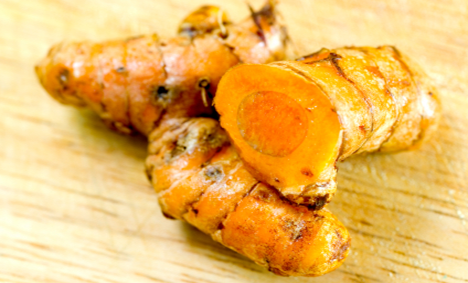
Drinking warm milk with a teaspoon of turmeric is not just a granny’s tale. This herb is considered “gold standard” not just for its looks but for its great healing properties. It is one of the best antiseptic and immunity enhancer there is in the market place (quite literally). It has a strength of an ox at fighting allergies and keeping the common cold, cough and flu at arm’s way. And whilst it uses this fighting spirit to keep you physically healthy it also provides that extra glow to the skin as it enhances your complexion and balance your cholestrol levels. Now isn’t this a great bargain……………..all this from one.
Anger or “krodha” as called in Ayurveda stems when there is an increase of Rajas in our mental constitution. Rajas typically causes all forms of stimulation which in normal circumstances is required to live our daily lives however when imbalanced causes negative emotions like jealousy, hatred, impatience, aggression and anger. Pitta dosha has a great influence on the function of our mind therefore in excess it causes uncontrollable and constant anger. In order to control this anger it is necessary to holistically balance both Rajas and Pitta at a physical and mental level. Sattva is the positive mental energy that promotes positive attitude and emotions. It is absolutely necessary for.